
MFC at GECES: Shaping the Future of Social Economy Policy in Europe
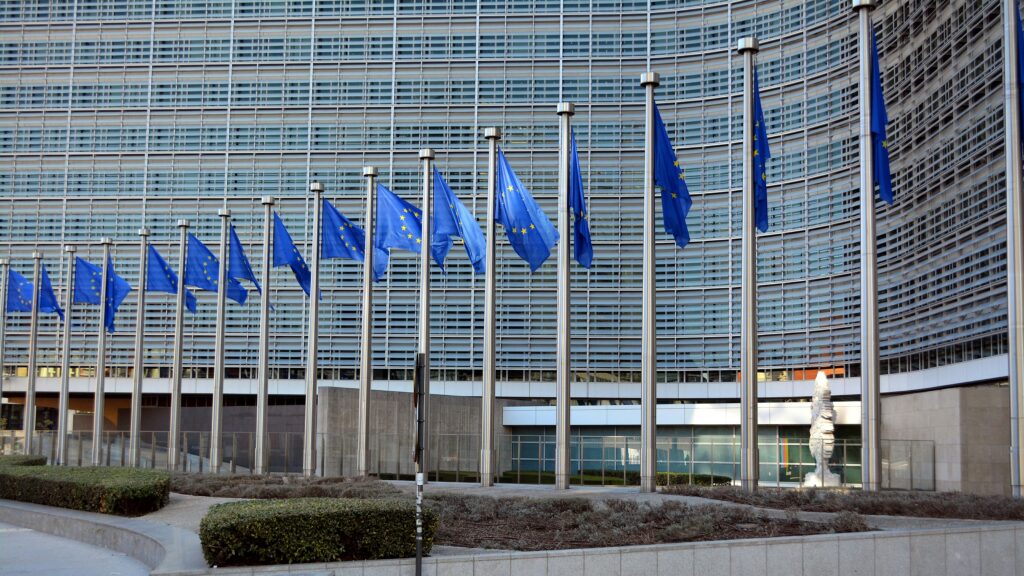
In June, Microfinance Centre participated in a meeting of the European Commission’s Expert Group on Social Economy and Social Enterprises (GECES), where policymakers, practitioners and experts discussed key developments shaping the social economy landscape across Europe.
Among the main topics discussed were:
EU Anti-Poverty Strategy
With one in five Europeans still at risk of poverty or social exclusion, the EU is stepping up efforts to meet its target of reducing this number by 15 million by 2030. While progress has been made, the pace remains insufficient. The proposed EU Anti-Poverty Strategy adopts a life-cycle approach to tackling poverty and emphasises stronger governance, monitoring and coordination mechanisms.
Impact-Driven Businesses in the EU
Participants discussed a new study on impact-driven businesses, which provides a common framework for future policy development. The findings confirm that impact-driven enterprises are a growing part of the European economy, contributing to competitiveness, innovation and resilience. However, challenges remain due to the lack of a shared definition and understanding of what constitutes an impact-driven business.
Access to Finance for Social Economy Organisations
Improving access to finance remained a central priority. Discussions focused on proposals to expand portfolio guarantees and risk-sharing mechanisms, scale blended finance solutions across different stages of organisational development, and strengthen non-financial support and capacity-building services.
Social Economy Data and Statistics
The availability and quality of social economy data continue to vary significantly across Member States. Despite the sector’s economic and social importance, data remains fragmented and often difficult to compare across countries. Priorities identified during the meeting included developing a more coherent statistical framework, improving stakeholder capacity and awareness, and ensuring the long-term sustainability of social economy data collection.
Monitoring the EU and OECD Recommendations on the Social Economy
The meeting also reviewed the implementation of the EU and OECD Recommendations on the Social Economy adopted in 2023. These recommendations focus on creating enabling environments for social economy organisations, including improved access to finance, stronger policy frameworks and better social impact measurement. Their implementation will be monitored through a structured evaluation process.
MFC was represented at the meeting by Beata Biela, Advocacy Manager.