
Brussels Discussions Highlight Key EU Priorities for Microfinance and the Social Economy
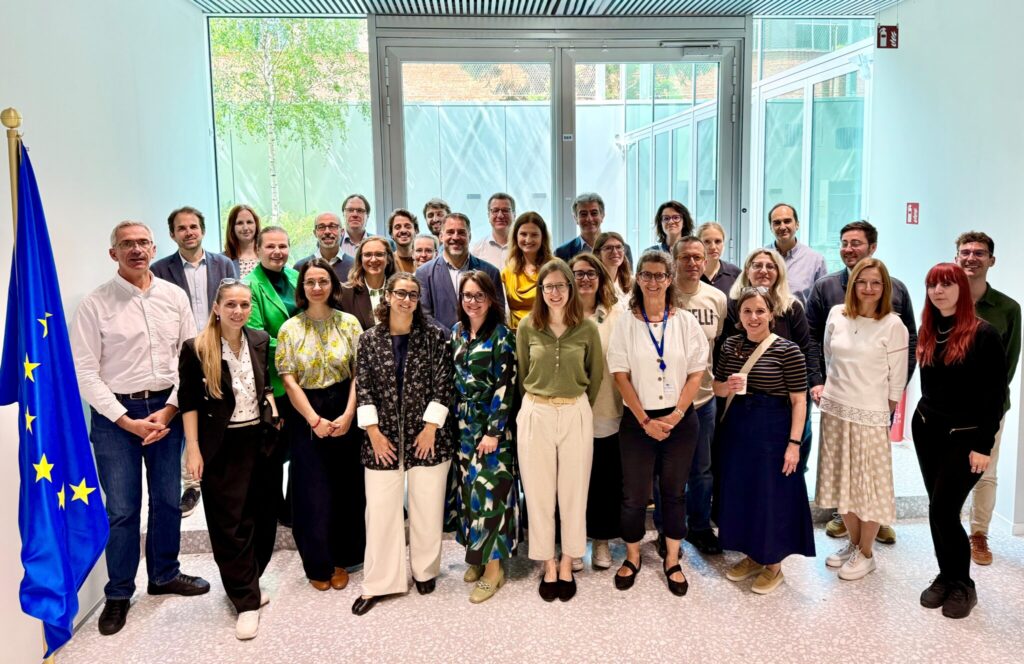
In June 2026, representatives of the Microfinance Centre (MFC) participated in a series of meetings in Brussels with European Commission officials and European partner networks to discuss future policy priorities for the social economy and their implications for the microfinance sector.
Ewa Bańkowska and Dorota Górecka joined discussions with DG Employment and other European stakeholders, where the European Commission presented its vision for the future development of the social economy – an ecosystem in which microfinance plays an important role.
A New Vision for the Social Economy
According to DG Employment, Europe’s social economy agenda will be guided by three key priorities:
- A competitive social economy, supported by a regulatory and policy framework that creates a level playing field for social economy organisations.
- A resilient and innovative social economy, with access to skills, training, entrepreneurship support, finance and organisational capacity-building.
- A recognised and visible social economy, supported by stronger evidence, data and awareness of its contribution to society and the economy.
These priorities reflect the growing recognition of the social economy as a driver of inclusive growth, job creation, entrepreneurship and social cohesion across Europe.
Policy Initiatives Shaping the EU Agenda
The discussions also provided insight into several flagship EU initiatives that are expected to shape European policy in the coming years.
Among the most relevant for the microfinance sector are the forthcoming EU Anti-Poverty Strategy, efforts to strengthen the European Child Guarantee, the Quality Jobs Roadmap and the Citizens Energy Package, which aims to reduce energy poverty and protect vulnerable consumers.
Housing was identified as another emerging policy priority. During 2025 and 2026, MFC and the European Microfinance Network jointly contributed to the European Commission’s consultations on the European Affordable Housing Plan and Fighting Housing Exclusion. The joint feedback highlighted the role of microfinance in supporting affordable and social housing initiatives and called for the inclusion of microfinance instruments in future housing policies.
Social Economy Networks Meet in Brussels
MFC also participated in the European Commission’s kick-off meeting for networks funded under the ESF-2025-AG-MF-SE call for proposals. The event brought together European networks active in the fields of social economy, social enterprise finance and microfinance to exchange perspectives on future activities, policy priorities and opportunities for collaboration.
The meeting confirmed the strong commitment of European networks to work together in strengthening the visibility, impact and resilience of the social economy across Europe. Participants emphasised the importance of stakeholder engagement, policy dialogue and knowledge sharing in ensuring that social economy organisations can effectively contribute to Europe’s social, economic and environmental objectives.
What This Means for Microfinance
The priorities and policy initiatives discussed in Brussels create significant opportunities for the microfinance sector. From supporting entrepreneurship and labour market inclusion to addressing poverty, housing exclusion and energy vulnerability, microfinance can contribute to many of the objectives that are currently shaping the European agenda.
As discussions on these initiatives continue, MFC will remain actively engaged with European institutions and partner networks to ensure that the voice of the microfinance sector is represented in policy debates and that microfinance is recognised as an effective tool for delivering inclusive and sustainable solutions to Europe’s most pressing challenges.