
Adie 2025: Microfinance Creates Opportunities for More Than 30,000 People in France
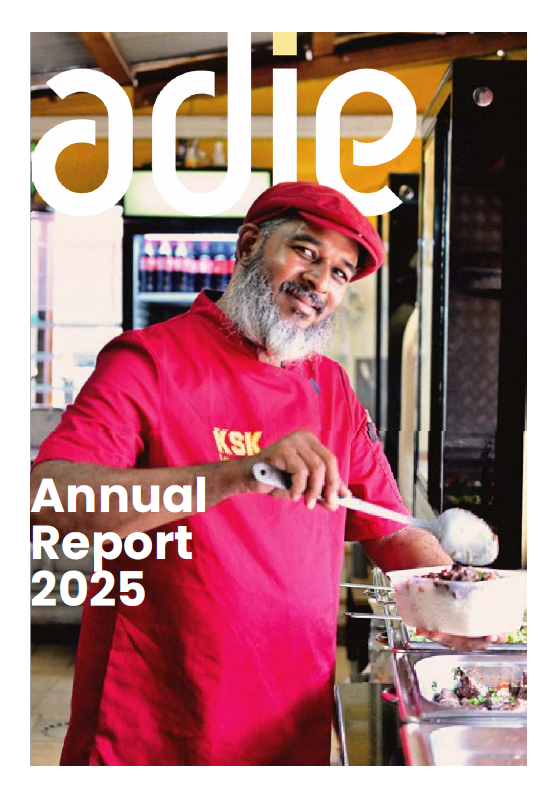
Adie’s newly published Annual Report 2025 demonstrates the continued impact of microfinance in supporting people who are often excluded from traditional banking services. As France’s leading microfinance institution, Adie financed 18,098 entrepreneurs in 2025, an increase of 8% compared to the previous year, while providing support services to more than 30,000 entrepreneurs across the country. These efforts contributed to the creation or preservation of 22,000 jobs.
The figures underline microfinance’s role in reaching underserved groups. Among the entrepreneurs financed by Adie, 54% lived below the poverty line, 33% received social welfare benefits, 25% lived in disadvantaged urban neighbourhoods, and 18% were based in rural revitalisation areas, highlighting the organisation’s focus on financial inclusion and local economic development. Women accounted for 47% of supported entrepreneurs, while 26% were under the age of 30.
Beyond access to finance, Adie continues to combine microcredit with training, mentoring and business development support. In 2025, the organisation supported 41,356 clients, delivered entrepreneurship training through more than 300 “Starting a Business with Adie” sessions, and expanded programmes focused on ecological transition, business resilience and mobility.
The report also highlights strong social and economic outcomes. According to Adie’s impact data, 95% of clients achieve professional integration, 81% of businesses remain active after two years, and 77% of entrepreneurs report higher self-esteem after starting their business. Furthermore, every €1 invested in Adie generates €4.94 in social and economic value within two years, demonstrating the wider benefits of microfinance for communities and public finances.
Adie also expanded its presence in disadvantaged neighbourhoods and rural areas during 2025, opening new branches, strengthening local partnerships and introducing innovative outreach approaches to reach aspiring entrepreneurs where they live and work. The organisation now operates through a nationwide network of 209 branches, supported by 926 employees and more than 1,300 volunteers.
The report provides valuable insights into how microfinance can foster entrepreneurship, employment and social inclusion while contributing to stronger local economies. For microfinance practitioners and policymakers alike, Adie’s results offer a compelling example of the long-term value created when finance, training and personalised support are brought together.